
Key Takeaways
- Create a regular deep cleaning routine for pet-friendly homes
- Vacuum carpets, rugs and upholstery to remove pet hair and dander
- Wash pet bedding regularly to control odours and dirt
- Clean floors carefully, especially around food and water bowls
- Check corners, furniture and hidden areas for accumulated pet hair
- Use pet-safe cleaning products around animals and their belongings
- Clean accidents quickly to prevent stains and lingering smells
- Include kitchens, bathrooms and outdoor areas in your cleaning routine
Animals are excellent companions in Australian homes, providing energy and entertainment, though they can shed fur, create dirt and odour and occasionally have an accident. General cleaning can be used to trim down the fur, dust and odour but there are certain areas that need a more in depth approach. This Deep Cleaning Checklist for Home guides you through these tasks in an organised manner.
It also makes it a little easier to keep your house fresh and comfortable in between cleanings. This technique might help make your living environment cleaner without necessarily doing housekeeping on a consistent basis. Pet hair and dirt can become trapped deep within carpet fibres, so occasional carpet cleaning gold coast services can help maintain a fresher, cleaner home for both pets and their owners.
Table of Contents
Start With Pet Hair Removal
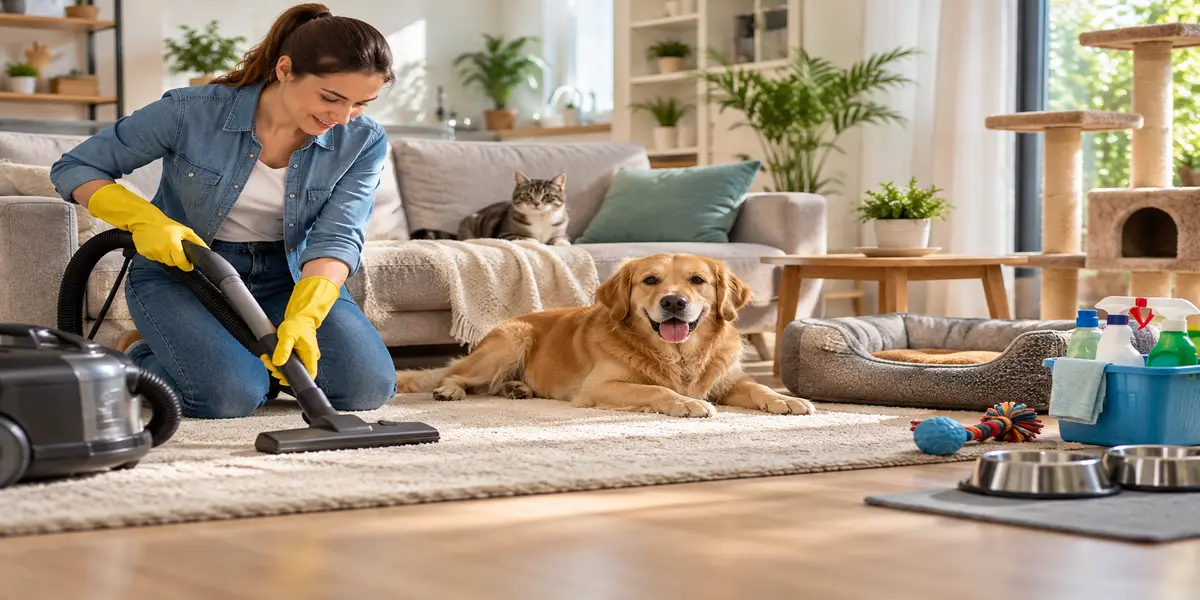
Pet hair presents one of the greatest problems to Aussie pet owners when it comes to keeping a clean home. It can often collect on carpets, on sofas, curtains and even in bed linens. It will also often gather underneath furniture and behind on bare floors or along the baseboards. So start your proper cleaning by removing any stray and loose hair from these areas. Attach the correct nozzles for your vacuum on both floors and furnishings. Use a soft brush to lift any pet hair from fabrics. Always move lighter furniture when cleaning around and beneath. Pay particular attention to your pet’s one or two favourite areas to sleep or sit.
| Area | Recommended cleaning method |
| Carpets | Vacuum slowly in different directions |
| Sofas | Use an upholstery attachment |
| Curtains | Vacuum with a soft brush |
| Skirting boards | Use a vacuum brush or damp cloth |
| Pet beds | Vacuum before washing |
| Rugs | Vacuum both sides where possible |
Remove clingy pet hair with a lint roller or upholstery cleaner. Always test your cleaning product on a hidden spot on your garment before use and only use a small amount of water as any excess may add problems to your cleaning. When the hair has been removed, vacuum the floor again to remove any remaining particles. Proceed with the rest of the cleaner using this as your base.
Clean Pet Bedding Thoroughly
Pet bedding is a magnet for hair, dust, skin flakes and odours as it ages. Wash removable covers using the care instructions of the manufacturer. Remove loose fur from the bed using vacuum before washing. For beds that are not machine washable, follow the care instructions carefully. After a day of roaming in the open, your pet’s bedding can benefit from a little attention. Separate clean bedding from soiled pet belongings. After use, washable blankets should be stored in a dry place hide away until next use. Regular washing is one of the simplest techniques to manage the pet odour in the house.
Deep Clean Floors And Rugs
Floors can gather pet hair, dust, dirt and food crumbs every day. Hard surfaces such as tile or wood floors should be vacuumed before you mop. This keeps loose hair from getting wet and sticking to the floor. Use a reputable floor cleaner that is safe for the specific floor surface. Don’t over-saturate moisture sensitive floors, such as wood. Always vacuum both sides of the rug and follow cleaning instructions given by the manufacturer. If your rug becomes embarrassed by persistent stains or vulgar altogether, it might be best to have it professionally steam cleaned. Apply freshly painted or cleaned surfaces until they are dry.
Refresh Sofas And Upholstery
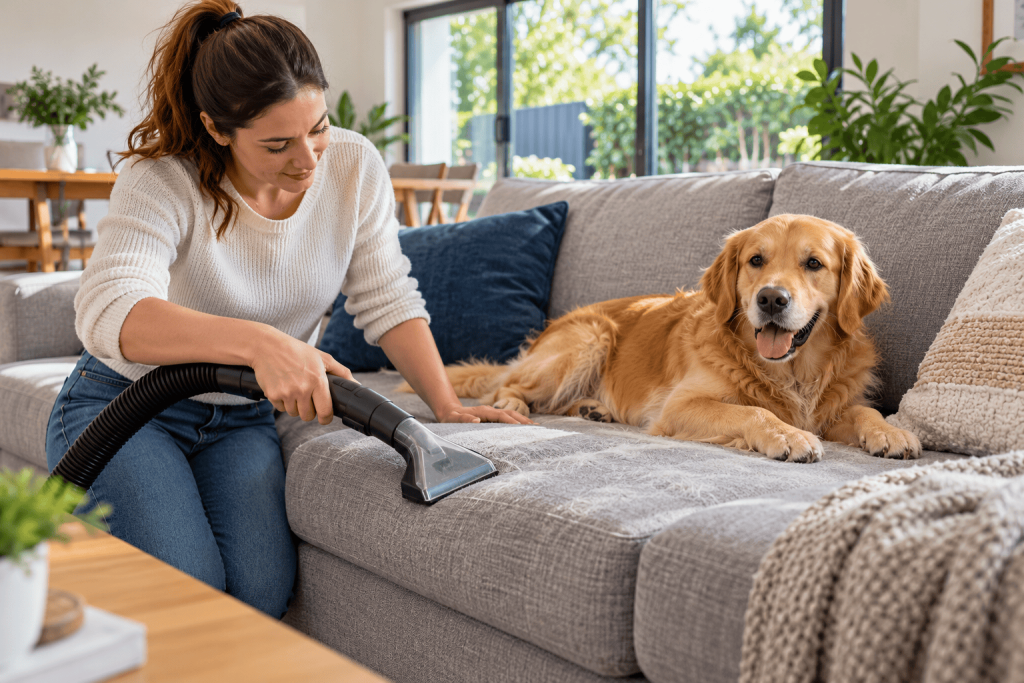
If pets are allowed onto the furniture they tend to claim it as their own, with fur oils dirt and residual odours. Vacuum all upholstery paying particular attention to the seams and deep into the crevices, then lift the cushions and vacuum beneath. Wash any loose covers of throws on a pillow wash cycle beforehand. If the sofa is a popular cat napper, making washable covers may help with occasional maintenance. Do not use dangerous cleaning agents unless they are deemed to be suitable for the upholstery and the requirements.
Tackle Kitchens And Feeding Areas
Pet bowls may collect crumbs, splash marks, and greasy stains. Before cleaning, set the bowls and mats aside. Wash the bowls according to the manufacturer’s instructions, then wipe down the shelves and walls. Check beneath the mats for damp patches or food debris. For Gold Coast households, regular cleaning of pet feeding areas can help keep kitchens fresh and discourage pests. Store pet food in a covered container in a cool, dry place. Clean cupboards, storage containers, feeding scoops, and other equipment regularly. Sweep or vacuum up leftover food promptly to minimise odours and keep the feeding area hygienic.
Clean Bathrooms And Hidden Areas
If you bathe your pet at home, take a little time to leave the bathroom tidy. Rinse the tub or shower, remove loose animal hair from the drain and wipe off splash marks or muddy patches. Wash and dry the grooming brushes and combs before putting them away. When you do the big clean, be sure to look into the unglamorous corners of the room and dust and pet hair will be lurking behind the door, underneath beds and furniture and down the edges of the room. Wipe the skirting and lower walls and look around the edges of window tracks and fly screens too.
| Cleaning task | Suggested frequency |
| Vacuum pet areas | Several times each week |
| Wash pet bedding | Regularly based on use |
| Clean food bowls | Frequently |
| Deep clean rugs | As needed |
| Clean upholstery | Monthly or as needed |
| Clean skirting board | During deep cleaning |
| Wash pet toys | According to care instructions |
Manage Pet Odours And Accidents
Contain all spillages quickly and effectively. Do not rub into carpets using blotting techniques. Clean affected surfaces using a suitable pet safe cleaning agent always follow instructions, test in a discreet area before use. Never mix cleaning agents, some combinations can produce dangerous fumes. Odour may indicate that moisture has seeped into carpet underlay or materials. Covering up the odour will not solve the problem. Inspect the area well and if possible increase ventilation. Apr odours may not go away with regular cleaning. Carpet cleaning is a better option. For things that happen repeatedly we would consider whether you need to take a look at your pets’ routine or environment.
Finish Your Whole Home Clean
Once the individual rooms are completed, do a final run through of the entire house. Open windows if necessary for ventilation. Empty vacuum cleaning bags and rinse reusable cleaning tools. Change mops if necessary, mostly if the mop head is dirty and wash. Look for hairs, marks on the floor and spots of water. Go through each room in your house and check the areas as you look at them from your pet’s view. Check corners under furniture and resting places . Secure cleaning supplies. Prevent access by animals to freshly cleaned areas until they are dry and safe to the touch. The final walkthrough is where you find the little forgotten items.
Conclusion
Keeping your home clean and free from pet odours doesn’t have to be difficult when you make it part of your routine. Vacuum regularly, wash pet bedding, and clean floors frequently. When choosing equipment, consider how to choose the right vacuum for different floor types to remove pet hair and dirt effectively without damaging your surfaces. Spend extra time cleaning less obvious areas, such as rugs, upholstery corners, feeding areas, and forgotten nooks. Use a deep cleaning checklist for home when regular cleaning isn’t enough. Cleaning frequency depends on your pets, flooring, household size, and daily activity. Always use suitable cleaning products according to the manufacturer’s instructions.
Frequently Asked Questions
1.How often should pet homes be deep cleaned?
Most pet homes benefit from regular deep cleaning every few months. High-traffic homes may need more frequent attention.
2. How do I remove pet odours?
Clean the source of the odour rather than masking it. Wash bedding, clean upholstery and address carpet stains promptly.
3. What is best for removing pet hair?
A suitable vacuum with upholstery and brush attachments works well. Fabric brushes and lint rollers can also help.
4. Can I use regular cleaners around pets?
Check the product label before use. Choose suitable pet-safe products and keep animals away from freshly cleaned areas.