
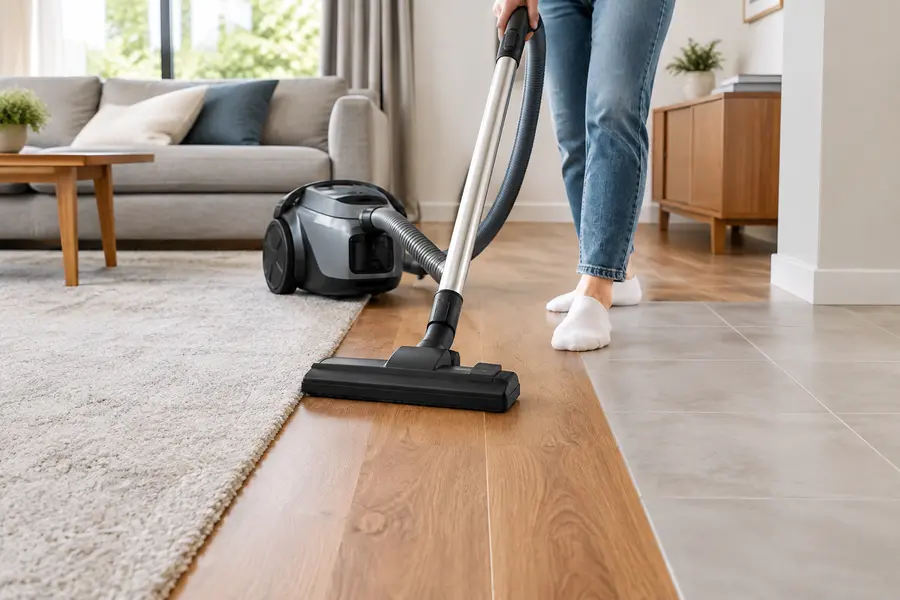
Key Takeaways
- Choose a vacuum based on the floor types in your home.
- Carpets generally need stronger suction and suitable brush action.
- Timber and vinyl floors benefit from softer cleaning heads.
- Tiles need effective dirt pickup and useful edge-cleaning attachments.
- Delicate rugs require controlled suction and careful brush settings.
- Adjustable suction is useful for homes with mixed flooring.
- Consider filtration, weight, attachments, dust capacity and maintenance.
- Always check the flooring and vacuum manufacturer’s care instructions.
It can be stressful making a choice when every vacuum cleaner claims to be very powerful. Different flooring types need different cleaning methods and suction levels. A vacuum that works well on carpets may not suit wooden or tiled floors. The wrong vacuum can leave dust behind or even damage delicate surfaces. For homes that need regular Carpet Cleaning Toowoomba, choosing a vacuum with the right suction and brush settings can make routine cleaning easier and more effective.
In today’s post, We’ll be going over how to pick the best vacuum cleaner for your floors. Find out what features you should look for when buying a vacuum for carpets, hardwood, tiles, vinyl and rugs. Here are ten tips that can help Australian homes find a vacuum that best suits their needs.
Table of Contents
Match Vacuum To Your Floors
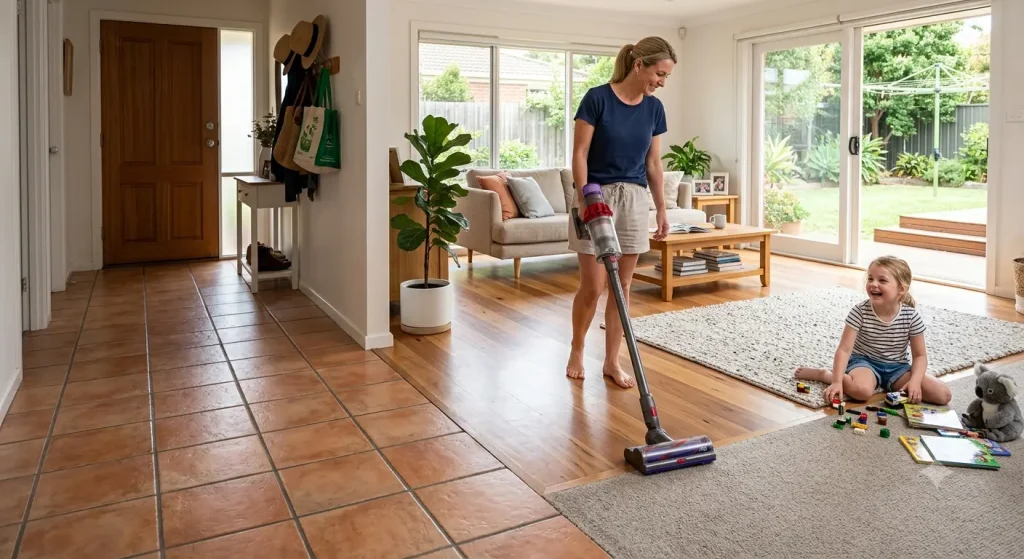
If your floors are mainly carpeting then which vacuum is best for carpets is what you need to read. Carpets require more suction and better agitation to extract dust that is embedded. Hard floors typically require less suction and a softer cleaning head. Multi-floor homes an adjustable vacuum or multiple attachments may be needed for homes with more than one floor type. Before you check the brands and models against each other, think about types of flooring. Also think about things like pet hair allergies area size and frequency of housecleaning. A vacuum cleaner should be fit for your daily use rather than just having the highest power rating in the market.
| Floor type | Useful vacuum features | What to avoid |
| Carpet | Strong suction, rotating brush, height adjustment | Very weak suction |
| Hardwood | Soft brush, adjustable suction | Aggressive rotating brushes |
| Tiles | Hard-floor head, crevice tool | Stiff brushes |
| Vinyl | Soft head, adjustable suction | Excessive suction |
| Rugs | Variable suction, brush control | High-power settings on delicate rugs |
Before you buy look to see if the vacuum has settings for your type of floor. Investing in an all round vacuum cleaner can be the key to simplifying housework. And it reduces the dependence on having several cleaning tools at hand. Focus on practical features rather than just motor wattage. The right floor head, simple controls and really good accessories can make all the difference. For houses with multiple surfaces to clean go for a model that makes an easy transition between them.
Choose Vacuums For Carpet
Carpet fibres act as mini dust collectors by trapping dust, crumbs, pet hair and other particles beneath their surface. This makes carpet cleaning more challenging. For homes in Toowoomba, choosing a vacuum suited to the carpet type can make regular cleaning easier. A vacuum cleaner needs enough suction to remove this debris effectively. A motorized brush roll can also help loosen carpet fibres to release ground in dirt. Make sure to read the reviews and check the specs for the model. The best suction, brush action and filtration combination will allow you to clean your carpet better.
Pick The Right Hard Floor Head
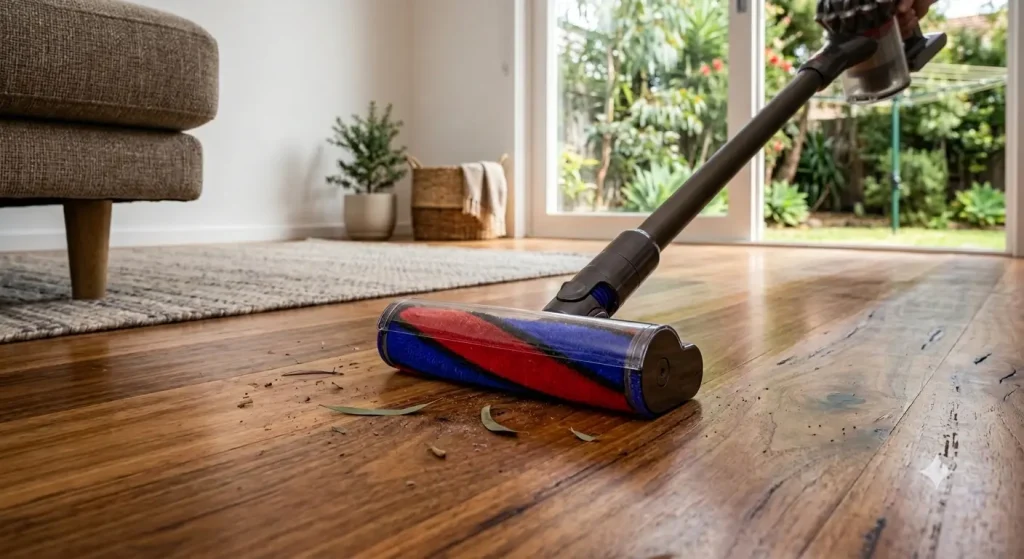
Hard surface floors such as wood laminate vinyl and tile are fundamentally different from carpet as they can accumulate dust and dirt only requiring mild brushing without vigorous brushing. By using a soft floor head to vacuum, you can also pick up debris and prevent surface marks. It is so handy in Australian homes where there is always a mix of flooring. A flat floor head with variable suction can give you more control here. It is best always to check the flooring care instructions of manufacturers as different flooring surfaces demand different cleaning methods. Complying with them will safeguard the flooring finish and will definitely save the hassle.
Select A Vacuum For Tiles
Tiles are quite durable yet dust and dirt tend to collect in the grout lines so it is very important to use a vacuum having high suction with good attachments more exactly recommended for use on tiled floors. A hard-floor brushroll is generally effective to dislodge dust and other debris. For big tiling vacuuming can ease a lightweight can a lot the work. The cordless versions will let you move comfortably from one room to another without having to worry about a cord. Do not expect a vacuum to suck up wet spills unless it is intended to be used for wet vacuuming. The use of inappropriate equipment near moisture can result in safety and equipment risks.
| Feature | Best use |
| Crevice tool | Edges, corners and narrow gaps |
| Soft brush | Skirting boards and delicate surfaces |
| Hard-floor head | Tiles and smooth floors |
| Adjustable suction | Mixed flooring and rugs |
| HEPA filtration | Fine dust and allergens |
Consider Rugs And Delicate Surfaces
Rugs are tricky as their fibres can be very different. A thick wool rug is totally different from a short pile synthetical kind of rug about care and vacuuming. Excessive suction or the wrong brush may result in pulling out or even breaking the fibers, mostly if it’s fragile. If you are unsure, before vacuuming the rug have a look at the manufacturer’s instructions for rug care. Homes with multiple rugs are best served by a vacuum with variable settings. This feature turns off the suction power for delicate surfaces such as wood floors when transitioning out of carpet mode.
Check Important Vacuum Features
Type of floor should be your top priority but other characteristics also contribute to how it will hold up to daily use. A vacuum can have great suction and still be a pain to work with. Take into account its weight, storage needs, length of cord and dust capacity. Cordless versions can be all right for a fast clean, while corded variants are better for bigger houses. Maintenance differ for each model. Compare the degree of difficulty for cleaning the filter before purchasing. An unintuitive filter system could turn sour if you have to take care of the vacuum often. Also attachments should be compatible with your home. A crevice tool is good for tight spaces and corners.
Make Your Final Vacuum Choice
Once you know what type of flooring you have, shop for models that fit your practical cleaning needs. Firstly you can identify the predominant type of the floors. Then, figure you have pets, rugs , stairs or allergies. That will help you come up with a better idea of what exactly your requirements are. Read the spec for your specific floor types. Reviews also may expose practical problems that the product description does not share. The aim is to get a vacuum that works well without working you too hard. A properly designed floor cleaning machine will make routine floor care easier, faster and more consistent.
Conclusion
Figuring out the steps for how to choose the right vacuum cleaner will be helpful, but the most important thing you should do is identify your type of floor. In general, if you have carpets at home, you will probably need a more powerful vacuum cleaner with good brush action. If you are also preparing your rental for an inspection, you may find How Long Does Bond Cleaning Take Before Final Inspection useful for planning your cleaning time. The right vacuum cleaner can make cleaning your home easier. Selecting according to floor type may help protect the surface and improve routine cleaning.
Frequently Asked Questions
1. What vacuum is best for carpet?
A vacuum with strong suction, a suitable rotating brush and adjustable height can work well for many carpets. Always check carpet care instructions.
2. Can one vacuum clean all floors?
Yes, many multi-surface vacuums can clean different floors. Look for adjustable suction and interchangeable or selectable floor heads.
3. What vacuum is best for timber floors?
A vacuum with a soft floor head and controlled suction is generally suitable. Avoid aggressive brushes unless approved for your flooring.
4. Should vacuum suction be adjustable?
Adjustable suction is useful for mixed flooring. You can use stronger settings for suitable carpets and gentler settings for delicate surfaces.